Good practice before waxing: what to do and what to avoid

Waxing is an effective and popular way to remove unwanted hair, but a good result doesn’t depend on the treatment alone. The right preparation helps make waxing more effective, reduces unnecessary skin irritation and helps make the experience as comfortable as possible, even for first-timers. A lot depends on the condition of your skin and hair when you arrive and during the treatment. That’s why it’s worth knowing a few simple but important principles before you wax.
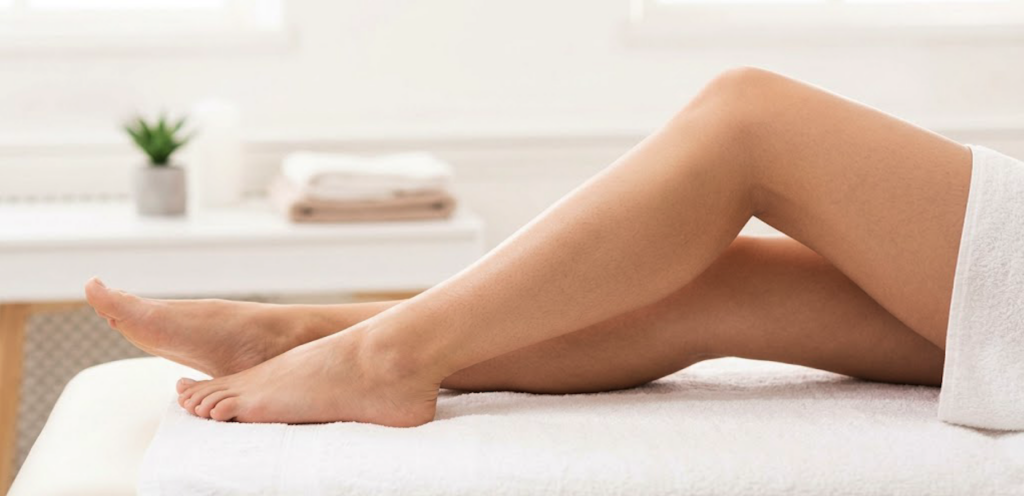
In this post we explain exactly what to do before waxing, what to avoid beforehand and when the treatment isn’t a good idea for your skin.
Why is preparation important?
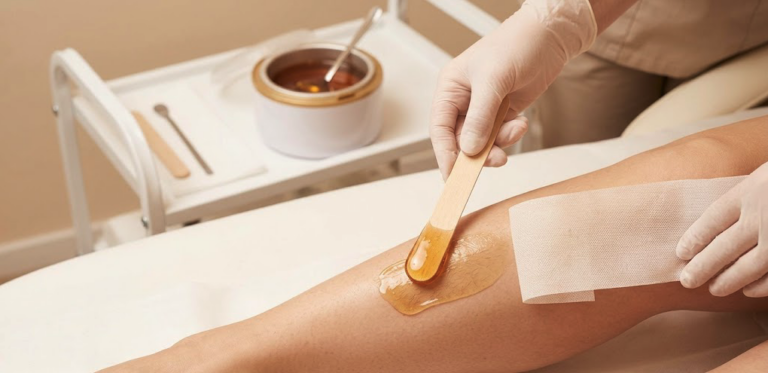
Waxing is a mechanical hair removal treatment. This means the hair is removed from the root, and the top layer of the skin is put under some stress at the same time. When the skin is healthy, clean and balanced, the treatment usually goes more smoothly and the result is more even. But if the skin is irritated, sun-damaged, over-exfoliated or more sensitive because of strong active ingredients, discomfort and skin reactions can increase. Properly prepared skin helps the hair come out more easily and the skin recover faster. So good preparation isn’t a side detail – it’s an important part of a quality waxing experience.
What to do before waxing
1. Let the hair grow long enough
One of the most important conditions is the right hair length. If the hair is too short, it can’t be removed effectively. The result may be patchy, and some hairs may be left behind. Hairs that are too short are harder to remove, which can affect the final result. Generally 2 mm is enough, so there’s no need to walk around hairy for months. In practice, this means the hair should be clearly visible and long enough to grip.
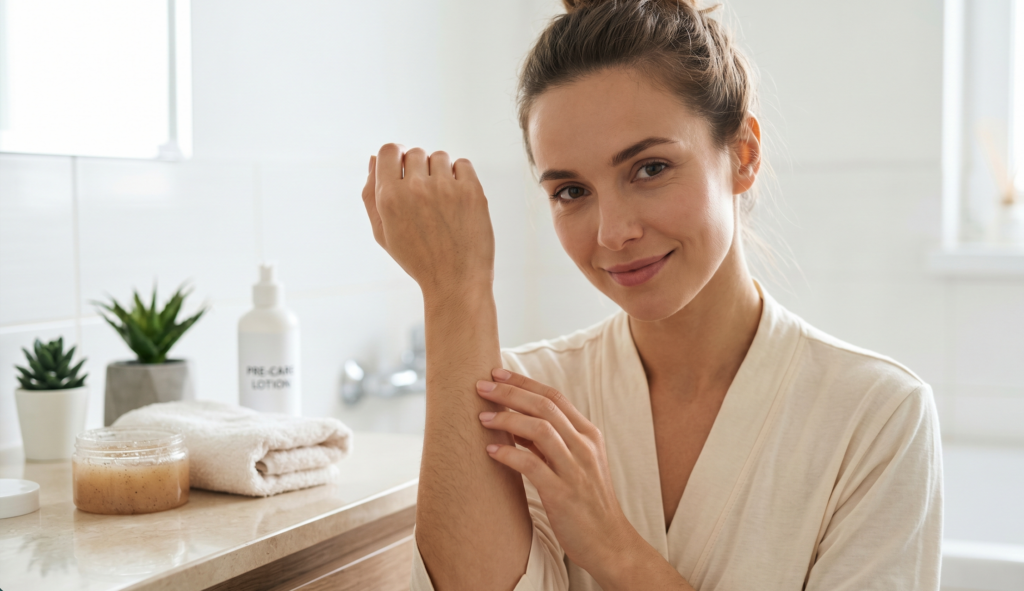
If you’ve shaved the area beforehand, don’t come for waxing just a few days later. Usually about a week is enough, or until the hair is at least 2 mm long. The more even the hair length, the cleaner the result can be.
2. Exfoliate gently 1–2 days before the treatment
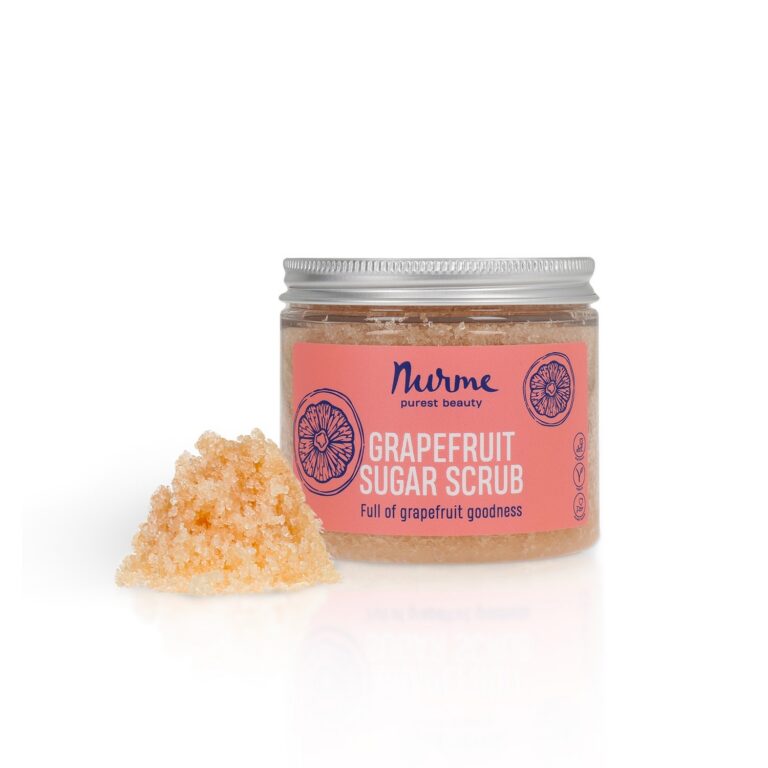
Gentle exfoliation helps remove dead skin cells and can reduce the risk of ingrown hairs. It also helps bring the hairs to the surface, which makes waxing more effective.
Avoid harsh exfoliation or exfoliating right before the treatment, as it can make your skin sensitive. The key word here is “gentle”. The day before waxing you can use a soft body scrub or a gentle exfoliating glove, but avoid vigorous rubbing or irritating scrubs. The aim isn’t to make the skin thinner, but to keep it as calm as possible.
3. Keep your skin clean
When you come for waxing, your skin should be clean and dry. Ideally, shower before the treatment and remove any creams, oils, self-tanners, deodorants and other cosmetics that could affect how the wax sticks. Clean skin helps make the treatment more precise and hygienic.
4. Wear comfortable clothes
Your skin may be temporarily sensitive after waxing, so it’s a good idea to come in comfortable clothing that won’t rub. This is especially important for bikini, Brazilian and leg waxing. Clothes that are too tight can cause extra friction and discomfort after the treatment. A small detail, but it makes a real difference.
5. Tell your specialist about your skin’s specific needs
If you have very sensitive skin, allergies, skin conditions, a recent sunburn, or take medication that affects your skin, be sure to let us know before the treatment. It’s just as important to mention if you use retinol, retinoids or acids. That way the specialist can assess whether waxing is suitable right now and choose the gentlest possible approach.
What not to do before waxing
1. Don’t shave right before the treatment
This is one of the most common mistakes. If the hairs are too short, waxing may not give the result you want. Uneven hair length can also make the treatment less effective.
2. Avoid sunbathing and sunbeds
It’s very important not to come for waxing right after sunbathing or using a sunbed. Sun-irritated skin is more sensitive, and waxing can cause more redness, stinging or irritation. Ideally, avoid intensive sunbathing for at least 24–48 hours before the treatment.
3. Don’t use strong acids or irritating skin products
If you use products containing acids, retinol or other strongly exfoliating ingredients, it’s worth cutting back on them before waxing, depending on the area and how sensitive your skin is. Such products can make the skin thinner and more sensitive.
Take extra care with facial waxing.
4. Avoid harsh exfoliation right before the treatment
While gentle exfoliation a couple of days before waxing is recommended, harsh exfoliation on the same day is not a good idea. It can make your skin sensitive and increase the risk of irritation.
5. Don’t apply oils, creams or body butter
On the day of waxing, avoid greasy or slippery products on your skin, as they can stop the wax from sticking, make the process longer and less comfortable, and make it harder to achieve the best result.
When should you postpone waxing?
In some cases it’s wise to postpone the treatment. For example, if:
- your skin is sunburnt;
- you have open wounds, scratches or severe irritation on the skin;
- you have active skin inflammation;
- you’re ill or feeling very unwell;
- your skin has recently been through an intensive cosmetic treatment.
If you’re unsure whether the treatment is the right choice, it’s always wiser to ask a specialist first.
What should first-timers know?
Before your first wax you may feel a little tense simply because you don’t know what to expect. That’s completely normal. What often helps most is knowing that you don’t have to arrive “perfectly prepared”. It’s enough that the hair is long enough, your skin is clean and you haven’t irritated it too much before the treatment.
It’s perfectly fine to come for your treatment during your period if you use a tampon, but your skin may be more sensitive than usual at that time, especially for intimate waxing. You can take this into account when timing your appointment if you like.
It’s also good to know that mild redness and temporary sensitivity after waxing are a normal skin reaction. They usually pass fairly quickly. Your first experience doesn’t have to be scary. When preparation is done calmly and correctly, the experience is usually much more pleasant than people fear. The more relaxed your body, the more comfortable the treatment can be. It’s also good to know that regular waxing often makes hair softer and finer over time.
Finally
A great waxing experience starts with the right preparation. Hair of the right length, clean skin, gentle exfoliation and avoiding irritating activities help you get a better result and reduce skin sensitivity. It’s just as important to know what not to do before the treatment, because the wrong habits can affect both the quality of the treatment and how your skin feels afterwards.
At SisGlow we want every client to feel cared for, safe and comfortable during the treatment. If you have any questions or doubts before waxing, don’t hesitate to ask – the right preparation is an important part of a beautiful, clean result.